Understanding Tinnitus: Why Is My Ear Ringing?
If you frequently experience a buzzing, ringing, or static sound with no external source, you are likely dealing with tinnitus. A question that naturally follows is, “How do I get rid of tinnitus?”.
While a sudden, complete removal of the sound is rarely realistic, making deliberate adjustments to your lifestyle can drastically reduce its impact on your life. It is crucial to understand that tinnitus is not a standalone disease; rather, it is a symptom indicating an imbalance within your auditory system or other bodily functions. Because the root cause can vary, a thorough professional assessment is highly recommended. However, many common triggers are actually hiding in plain sight within our everyday routines.
7 Everyday Habits That May Trigger Tinnitus
1. Unsafe Audio Device Usage
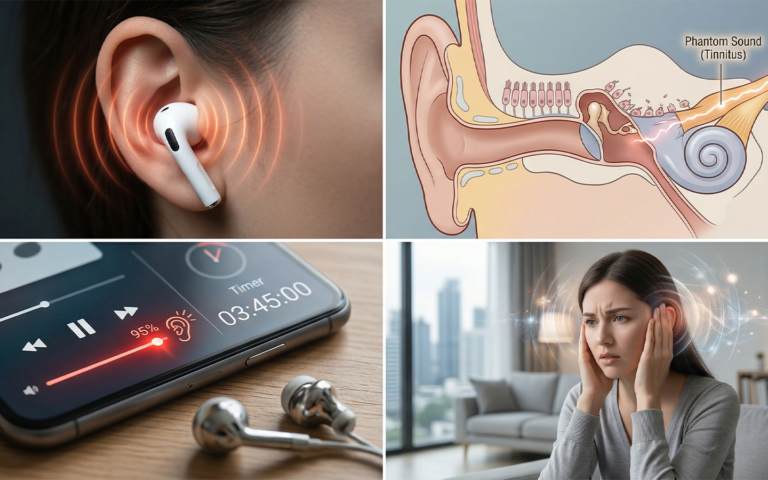
Listening to media through earbuds or headphones at high volumes for extended periods overstimulates your auditory system. This habit is a widely recognized risk factor that causes both hearing damage and sudden tinnitus flare-ups.
2. Consuming Dietary Triggers
Your diet directly influences your ear health. Consuming excessive amounts of sugar, salt, alcohol, and caffeine can amplify the ringing sound. This is especially true for individuals who are sensitive to nervous system fluctuations or changes in blood pressure.
3. Enduring Chronic Stress
Ongoing emotional and mental stress elevates cortisol levels and tightens muscles, which in turn worsens how you perceive tinnitus. In fact, up to 45% of individuals suffering from chronic tinnitus report experiencing spikes directly related to anxiety.
4. Overlooking Minor Ear and Sinus Issues
Sinus congestion, mild ear infections, and the accumulation of earwax can alter the nerve signaling and pressure within your ear canal. These minor issues frequently contribute to tinnitus but are easily overlooked in daily life.
5. Poor Posture and Jaw Tension
Slumping your posture, grinding your teeth, or clenching your jaw creates excessive tension in the jaw and neck muscles. Medical experts note that this muscle tension changes the nerve activity that reaches the inner ear, thereby triggering tinnitus.
6. Practicing Poor Sleep Hygiene
A lack of restful sleep does more than leave you feeling fatigued; it directly exacerbates tinnitus. Fatigue increases your overall sensory sensitivity and heightens the brain’s responsiveness to phantom noises.
7. Isolating Yourself in Complete Silence
It is a common misconception that resting in total silence helps auditory issues. In reality, complete silence allows your brain to hyper-focus on the tinnitus, making the ringing sound feel louder and significantly more intrusive.
Actionable Daily Fixes for Tinnitus Relief
Consistency is the most important factor when it comes to managing tinnitus. Below is a practical guide to counteracting the seven triggers mentioned above.
| Trigger Category | Recommended Daily Fix |
| Audio Habits | Follow the 60/60 rule: listen at no more than 60% volume for a maximum of 60 consecutive minutes. |
| Audio Habits | Utilize noise-canceling headphones so you do not have to increase the volume in loud environments. |
| Dietary Intake | Monitor your consumption of alcohol, caffeine, and salt, especially if you experience worsening auditory feedback. |
| Stress Management | Incorporate daily stress-busters such as yoga, meditation, deep breathing exercises, or short walks. |
| Ear Maintenance | Avoid using cotton swabs, as they tend to pack earwax deeper into the canal. |
| Physical Tension | Maintain aligned posture while sitting and standing, and consult a dentist regarding a mouthguard if you suffer from nighttime teeth grinding. |
| Sleep Hygiene | Adhere to a strict sleep schedule aiming for 7 to 9 hours of rest nightly. |
| Sleep Hygiene | Limit blue light exposure from screens before bed, as it disrupts your circadian rhythm. |
| Environment | Introduce low-level background noise, such as soft music or a fan, to prevent silence from amplifying the tinnitus. |
Long-Term Management Strategies
By researching how to manage your symptoms, you are already taking positive action toward finding relief. To build on these daily habits, consider implementing the following long-term strategies:
Keep a detailed symptom journal to clearly track which daily habits impact your tinnitus the most.
Consistently utilize sound therapy, such as nature sounds or hearing-aid-based masking, to actively help retrain your brain.
Engage in professional counseling or Cognitive Behavioral Therapy (CBT) to fundamentally change your psychological relationship with tinnitus.
Schedule a personalized audiological assessment to officially rule out underlying medical conditions, infections, or earwax blockages.
Every ringing noise in the ear has an underlying cause, and you are not powerless to address it. If the sound is beginning to interfere with your mood, focus, or sleep, do not wait to seek help. It is highly recommended to reach out to an audiologist who understands the unique challenges of the condition and can tailor a care plan specifically for you. Professional teams, such as the audiologists at Tinnitus Connect, utilize evidence-based strategies and proven tools to help patients drastically reduce the daily impact of tinnitus.